

Blog
Get Pay Right on ADP Workforce Now® Next Gen™
Bringing trusted compensation intelligence and seamless planning to even more ADP users.
Written by Salary.com Staff
April 10, 2026

Well being programs for employees are key tools that companies use to support the health and happiness of their staff. These cover various areas that might include physical fitness, mental health, financial advice, and so forth. By offering such support, firms can build a better work place where people feel valued and ready to do their best.
This guide is for HR and compensation experts who want to set up strong well being programs. It covers the basics, types, steps to start, and more to make sure programs fit well and bring real value.
Well being programs for employees are company efforts to help staff stay healthy in body, mind, and life overall. They include things like gym access, stress help, and money tips to make work better. Such programs aim to cut down on sick days and boost team spirit. Firms see them as a way to keep good people and save on health costs.
Many companies start these programs to meet worker needs in a fast world. They can be simple or full plans that fit the team size. Good programs listen to staff feedback to work well. Over time, they lead to happier teams and stronger results.
To ensure pay remains competitive while investing in wellness, HR teams often use Benchmark Pay Data to compare salaries against market rates. This ensures that wellness offerings enhance — rather than replace — competitive compensation.
Employee well being programs add value beyond pay by supporting health and growth in a full rewards plan.
Links to pay by lowering health costs of employees, allowing employers to provide better base rewards
Links to employee loyalty as part of offering noncash rewards to make the general rewards package more attractive
Links to career advancement as being mentally and physically healthy enables employees to focus on long term compensation goals
Links to avoiding employee burnout and supporting stable employee performance
Organizations aim for better health and work results through well being programs to cut costs and lift spirits.
To help their employees be physically fit, which will help them have lower medical bills
To have higher output from the employees
To develop better team bonds and reduce turnover in that team
To have a more positive culture overall, leading to better new hires and retention of current hires
Employers typically offer a variety of well being programs to address different aspects of employee health and wellness. These can include fitness programs to promote physical health, mental health resources to support psychological well-being, financial wellness initiatives to help employees manage their finances, and work-life balance efforts to ensure employees have flexibility to manage personal and professional commitments.
As job roles evolve, organizations may use Build Hybrid Jobs to accurately reflect blended responsibilities in flexible work environments.
Mental health benefits in well-being programs help strengthen employees against stress.
Having counselors available in employee assistance programs provides private conversations for personal challenges.
Manager training in recognizing challenges promotes a supportive environment.
Mindfulness apps offer relaxation aids for busy schedules.
Mental health days off work provide judgment-free time to recharge.
Physical wellness programs boost energy and focus, leading to better work output for teams.
They help employees build physical strength and reduce fatigue.
They allow employees to identify health issues early.
They promote better habits that reduce sick leaves and improve mental acuity.
They promote activities that encourage team spirit and improve physical fitness.
Financial wellness programs help staff manage money stress, which boosts their overall health and focus at work.
Savings plans with company matches increase financial security.
Debt management advice reduces financial burdens.
Budgeting tools lead to better financial planning.
Reduced financial stress improves physical and mental health.
Work life balance initiatives give staff time for rest and family, which builds lasting health and joy.
Flexible hours let workers fit job around life needs, cutting burnout risk.
Paid family leave strengthens personal relationships.
Remote work options reduce commuting stress.
These initiatives promote employee retention and satisfaction.
HR teams start well being programs by checking needs and planning steps that fit the company goals.
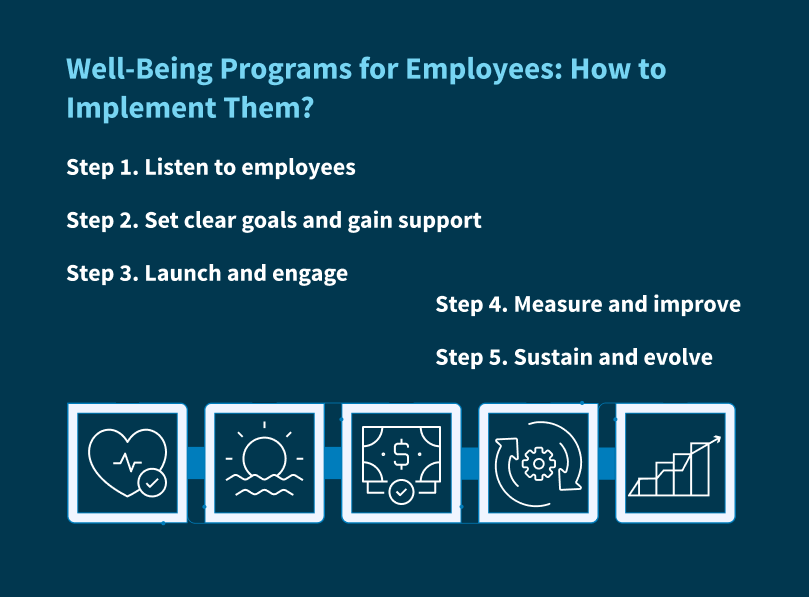
Survey staff to learn what they want, like more mental health days or fitness perks. Pick a few top ideas to focus on first. Share results so everyone feels heard.
Set clear goals, such as cutting stress by 20 percent in a year. Choose partners or tools that match those aims. Get leaders on board to show support.
Roll out the program with easy sign-ups and fun launches. Train managers to encourage joining without pressure. Track who joins and ask for early feedback.
Measure success with surveys and data on sick days or morale. Adjust based on what works best. Celebrate wins to keep momentum going.
Keep it fresh by adding new options each year. Listen to changes in team needs. Report back on impact to prove the value.
Structured incentive systems can be developed using Variable Pay Program Design services by helping organizations design bonuses or incentives that improve financial security.
Successful well being programs show real gains when tailored to staff needs and run well.
A tech firm offered gym perks and saw fewer sick days plus happier teams.
A bank used money classes to cut staff stress and boost focus on work.
A health group added flexible shifts, leading to better balance and low quit rates.
A store chain ran mind health talks, improving mood and group bonds.
Legal rules ensure well being programs are fair and protect staff rights in health matters.
Follow privacy laws to keep health data safe from wrong use.
Make programs open to all, with options for those with health limits.
Avoid bias based on age or condition in rewards or access.
Check tax rules on perks to stay in line with funds.
To meet legal standards, firms must plan well being programs with care for rules and fairness.
Get expert advice on laws like health privacy to avoid risks.
Offer choices for staff who can't meet goals due to issues.
Train leaders on fair treatment in program rollout.
Keep records to show compliance if checked.
Here are some FAQs for better understanding:
HR often deals with low join rates due to busy schedules or doubt about value. Staff may skip programs if they feel too general or hard to fit in. Another issue is tracking impact without invading privacy.
Programs focused on mental health and fitness often give the best return by cutting costs on care and absences. They boost output as staff feel better and work more. Firms see savings up to six times the spend in some cases.
Tailor programs by checking group needs, like flexible options for parents or money help for young staff. Use surveys to spot differences in age or role. This makes support more useful and boosts use across teams.

The latest research, expert advice, and compensation best practices all in one place.
Blog
Bringing trusted compensation intelligence and seamless planning to even more ADP users.

Blog
Learn how to train managers for effective pay conversations and build trust.

Blog
Total rewards package flexibility lets employees choose what matters - pay, perks, and benefits tailored to their needs.